
Your inspection with R C Roberts Home Inspections LLC starts long before we ever arrive at the property. From your very first phone call, we want you to know what to expect, how long it will take, and what you’ll walk away with once it’s finished. We bring more than forty years of residential and commercial construction experience and thirty-plus years of hands-on home inspection work to every appointment, so your inspection is thorough from the roofline down to the foundation.
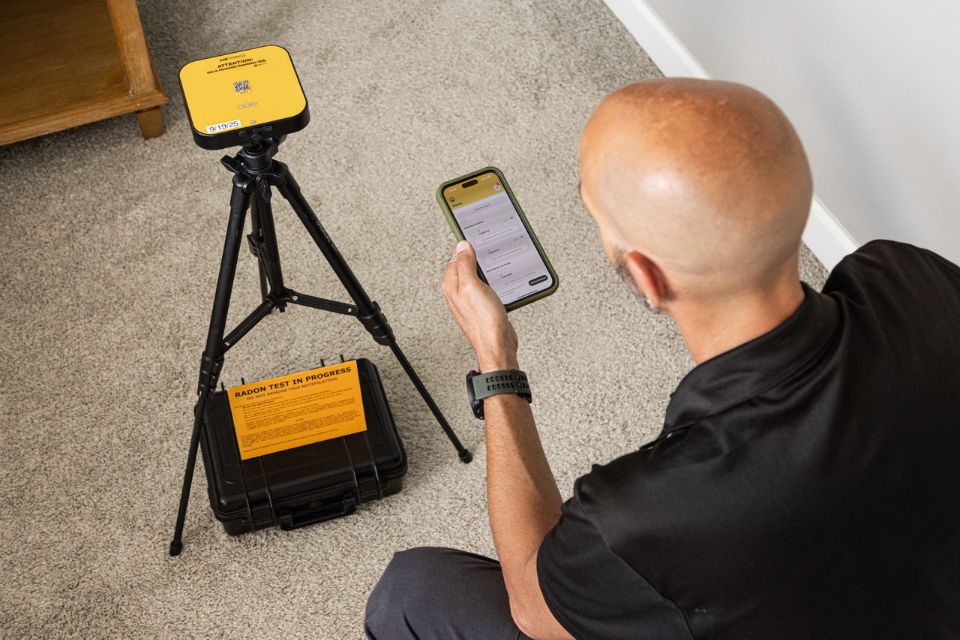
We follow the Standards of Practice set by InterNACHI, evaluating all major systems and components of the home, from electrical panels and plumbing to HVAC, roofing, and structural elements. During your inspection, we’ll also address any additional services you’ve requested, whether that’s radon testing, mold testing, a pool and spa evaluation, or a gas leak check. Most home inspections take between two and three hours, though larger properties or homes with pools and additional structures may take a bit longer.
After the walkthrough, we’ll sit down with you, and your real estate agent if they’re present, to go over what we found in plain, everyday language. You’ll never be left holding a stack of technical jargon with no explanation. Once your inspection is complete, we deliver a detailed report through HomeGauge within twenty-four hours, complete with photos and clear descriptions of every item we noted.
No. A home inspection is an objective look at the condition of a property. We note concerns so you can make an informed decision, not to hand out a passing or failing grade.
We may point out issues that need attention, but the choice of contractor and the decision to repair is always yours. Keeping those roles separate protects you from any conflict of interest.
It’s not required, but we always welcome it. Walking the property with us is one of the best ways to understand your future home firsthand.
Your report includes a full breakdown of every major system we evaluated, from the roof and foundation to plumbing, electrical, and HVAC. Each item is paired with a photo and a written description, so you’re never left guessing what an inspector meant by a one-line note. If you added radon testing, mold testing, a pool and spa inspection, or a gas leak check, those results are included as their own sections within the same report, keeping everything you need in one place.
We know that closing timelines can move fast, which is why your report typically arrives within twenty-four hours of the inspection’s completion. That gives you and your real estate agent time to review the findings together, decide what matters most, and negotiate any repairs or credits before deadlines start closing in.
Your report is fully accessible on your phone, tablet, or computer, so you can pull it up in the car on the way to a follow-up meeting or share it directly with a contractor for a repair estimate. Sections are organized by area of the home, with a summary page up front that highlights anything needing your immediate attention, so you’re not stuck scrolling through pages of minor notes to find what actually matters.
If anything in your report doesn’t make sense, we’re just a phone call away. We’d rather spend twenty extra minutes on the phone walking you through a finding than leave you second-guessing a decision on one of the biggest purchases of your life.

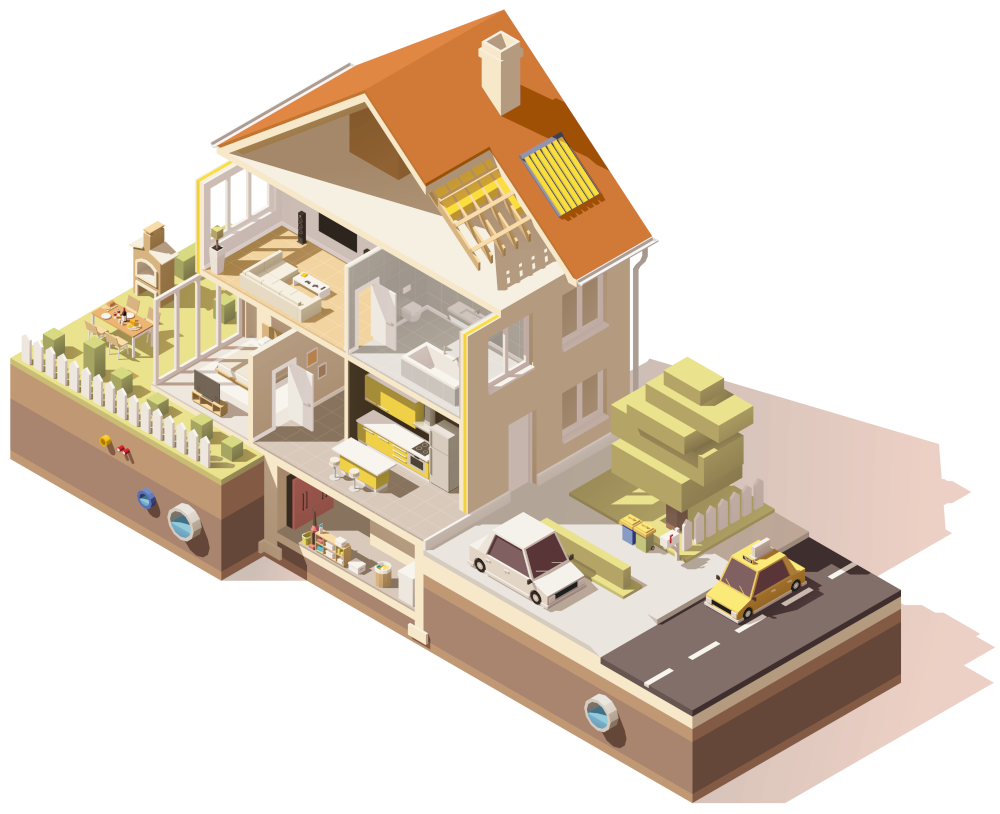
Roof coverings, gutters, downspouts, vents, flashing, skylights, chimney, roof penetrations and the general structure of the roof.
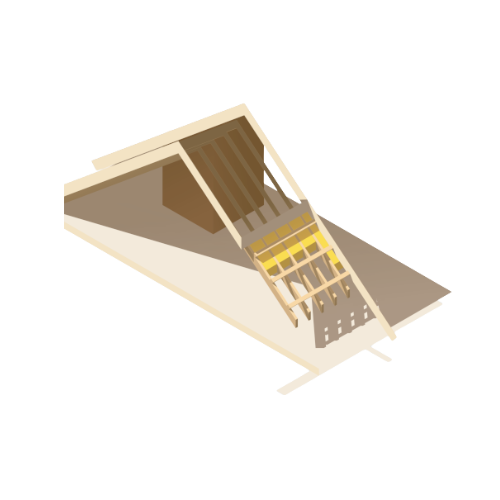
Insulation and ventilation of unfinished spaces, including attics, crawl spaces, foundation areas and exhaust systems.
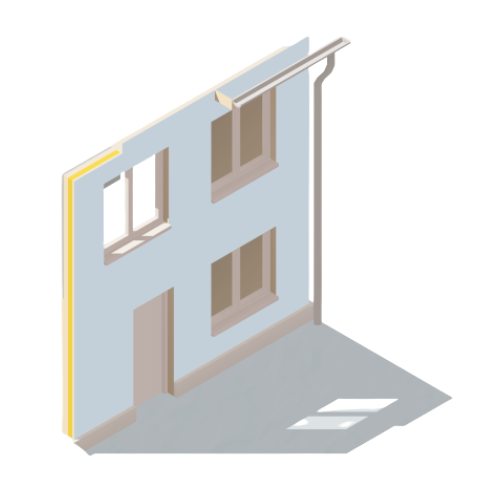
Siding, windows, exterior doors, flashing & trim, walkways, driveways, stairs, patios & decks, and drainage.
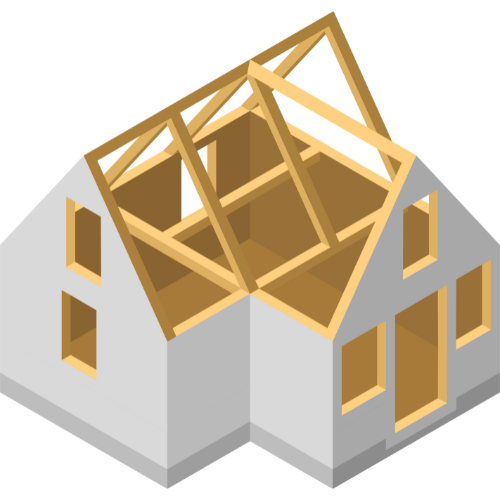
Foundation movement, cracks, structural concerns, and indication of water penetration.

Cooling system, location of thermostat, energy source and cooling method.
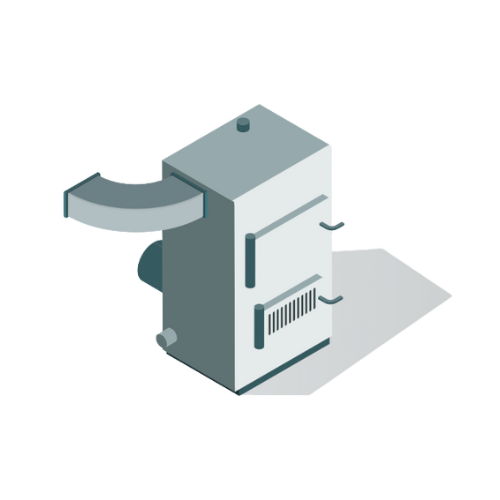
Heating system, location of thermostat, energy source and heating method.
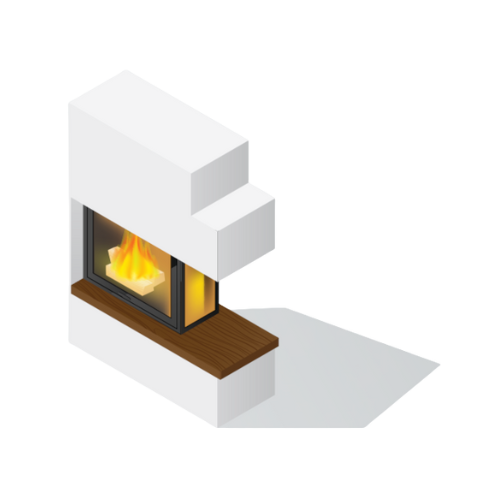
Visible portions of the fireplace & chimneys, lintels, damper doors, and cleanout doors & frames.
Main water & fuel supply shut-off valves, water heater, interior water supply, toilets, sinks, tubs, showers, drain, waste and vent systems.
Service drop, overhead service conductors, service head & mast, main service disconnect, panelboards, grounding, switches, light fixtures, receptacles deemed to be AFCI & GFCI, and the presence of smoke alarms & carbon monoxide detectors.
Dishwasher, disposal, range, oven, microwave, refrigerator, exhaust, bathroom heater, garage door, doorbell, and dryer vent
Circulation, heating, filtering, electrical, water chemistry, and possible safety issues.

Representative number of doors & windows, floors, walls, ceilings, stairs, railings, garage door and openers.
